Onion Auto Farm in ABOVE
The mid-game coin crop: water, totems, harvesters, and stacks that keep chests fed.
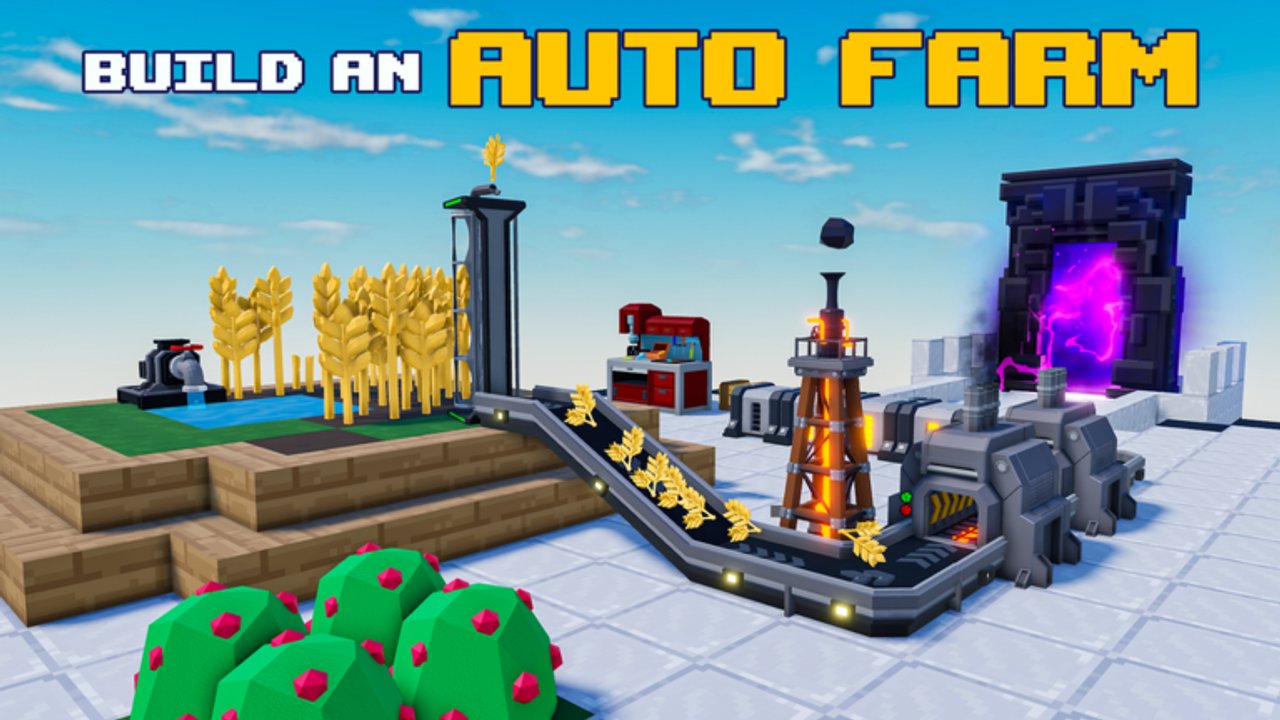
Onion automation is the mid-game money project most ABOVE players chase after the manual wheat and candy corn loop. Onions sell well, scale with stacked harvesters and pumps, and teach every habit you need for denser farms later. This page focuses on why onions, which machines matter, how stacking works, and how to avoid the water and storage mistakes that wipe a good blueprint. Read Auto Farm Setup for the universal four-part checklist, and Money Making Methods for how onions compare to berries, lumber, and soup in recorded community rankings.
Why onions for mid-game coins
Early crops get you onto the island economy. Onions are where many players fund land expansion, extra harvesters, and the first serious factory purchases. Community recordings frequently cite about thirty coins per onion as a working sell figure — treat that as a recorded snapshot from videos, not a forever patch guarantee. Even if the exact number shifts, onions remain a popular dedicated money crop because the plant-harvest-sell cycle is clear and the automation parts are the same ones you already use for generic auto farms.
Compared with berries, onions usually expect a more classic plant cycle, while berries shine by not needing full replants. Many islands run both: onions as the engineered money stack, berries as low-maintenance filler. Compared with iron, onions are about coins first; iron is about materials. Use onion income to buy the expensive drills discussed in Iron Factory.
Machines and pieces you will keep buying
A serious onion line still needs the core auto farm set:
- Water system: basin, pump, and spout coverage so every soil tile stays hydrated (dark brown soil cue).
- Onion seeds and tilled beds dense enough to keep harvesters busy.
- Harvesters aimed correctly so loot hits conveyors instead of the floor.
- Conveyors and chests with enough volume that overnight growth does not soft-lock the belts.
- Totems in designs that use them to support or boost the farm footprint — follow a trusted build order rather than scattering totems randomly.
Totems, harvesters, and pumps show up together in popular onion tutorials because stacked farms need reliable coverage on every floor. If your budget is tight, finish water and one correctly facing harvester on a single layer before you invest in a full totem grid. Coin efficiency beats a half-built showcase.
Single layer before ego stacks
Copy this discipline from the auto farm guide:
- Dig and fill the basin under the onion bed.
- Place pumps and spouts; confirm dark, watered soil.
- Plant onions across a complete harvester footprint.
- Rotate the harvester until outputs feed the belt.
- Connect to a chest; sell through one full cycle.
- Only then duplicate floors.
Community layer spacing examples for crop farms leave three air blocks between floors (about four blocks floor-to-floor) and pack on the order of forty-eight seeds per layer in one published layout. Onion stacks follow the same physics: bad spacing breaks water; bad facing breaks collection; full chests break everything eventually.
Stacking and overlapped designs
Once a single onion layer is profitable, stack. Vertical farms multiply sell volume without waiting on every Landman expansion. Advanced creators also publish overlapped onion farms that share vertical space more aggressively — the overlapped design video lives on the Auto Farm page as F-0F7RfoSgg, while this page embeds a dedicated onion build walkthrough. Watch one complete video while you build; pausing to match pump height and harvester facing saves more coins than rushing.
When stacking:
- Re-check the lowest floor water after each new level. Upper floors looking fine while the bottom dries out is a common complaint on onion tutorials.
- Keep harvester facing identical on every floor.
- Add chest capacity as seed count grows. Doubling floors without doubling storage is how belts jam.
- Leave walking gaps so you can repair a pump without breaking half the stack.
Money context: onions are strong, not always king
Recorded community comparisons have ranked lumber tier 3 and berries at roughly two times onions in some snapshots. Soup has been recorded around two hundred six coins per unit, yet raw crops often win on coins per growth cycle before you count fuel and crafting time. That means onions are an excellent dedicated mid-game printer, not a promise that nothing else will ever beat them. Use the money guide when you decide whether to expand onions, convert a floor to berries, or save ten thousand coins for Landman island expansion.
A healthy progression path looks like this:
- Manual wheat and candy corn surplus (Getting Started).
- First generic auto layer (Auto Farm).
- Onion specialization and stacking (this page).
- Parallel Berry Farm filler beds.
- Land expansion and factory funding (Iron Factory).
Build session checklist
- Hotbar includes soil tools, water pieces, onions, harvester, conveyor, chest, and rotate muscle memory from Controls.
- Basin filled before machinery spam.
- One layer proven into an empty chest.
- Sell route to the merchant is short enough that emptying storage is not a chore.
- Optional: redeem Codes before a big machine shopping trip.
- Optional: compare priorities on the Tier List if you are torn between a second onion floor and a different upgrade.
Visiting and AFK realities
Onion farms are meant to run while you explore. If you visit islands with friends, come home to empty chests before belts lock. If you dip into Ruins for combat, same rule: storage headroom is part of the farm. Early beta can also change growth timing; after an Updates patch, watch one cycle before you assume yesterday’s timing still holds.
Common onion farm failures
- Pumps on the wrong floor only: lower dirt dries; harvest volume tanks.
- Harvester range misunderstood: crops mature at the edge of coverage and never enter the chest.
- Pearl onion confusion: some players ask whether special onion variants drop from harvesters the same way as hand harvests — test on your live build after patches instead of assuming.
- Harvester count soft worries: community chat often wonders about limits; build efficiently and watch for live soft caps rather than panicking early.
- Skipping surplus: buying a full stack tutorial while broke leads to a pretty, dead farm.
What success looks like
Success is not a perfect recreation of a YouTuber’s skyline. Success is dark soil on every onion tile, harvesters feeding belts, chests that you empty on a rhythm, and enough coins to fund the next goal without deleting your food income. When that is true, scale floors, then branch into factory play or higher money experiments from the money guide.
Onions print mid-game coins when water, facing, and storage are honest. Build one perfect layer, then stack with intent.
Frequently Asked Questions
Quick answers about farms, passes, scripts, and early-beta ABOVE.
How much does an onion sell for in ABOVE?
Community videos often record about thirty coins per onion. Treat that as a snapshot from recordings; verify the live merchant price after updates.
What machines do onion auto farms use?
The usual set is water pumps and spouts over a basin, onion beds, correctly facing harvesters, conveyors into chests, and totems in builds that call for them.
Should I stack onion farms?
Yes, after a single layer works. Use consistent floor spacing, re-check lower-level water, and increase chest capacity as you add floors.
Are onions the best money crop forever?
Not necessarily. Recorded rankings have shown lumber tier 3 and berries outpacing onions in some snapshots. Onions remain a strong, popular mid-game printer.
Can I run berries and onions together?
Yes. Players often keep onion stacks for engineered income and berry bushes as low-replant filler on the same island — see Berry Farm.